


22 Apr, 2026
71% of Baby Foods Are Ultra-Processed—Here’s What Parents Need to Know
71% of Baby Foods Are Ultra-Processed—Here’s What Parents Need to Know
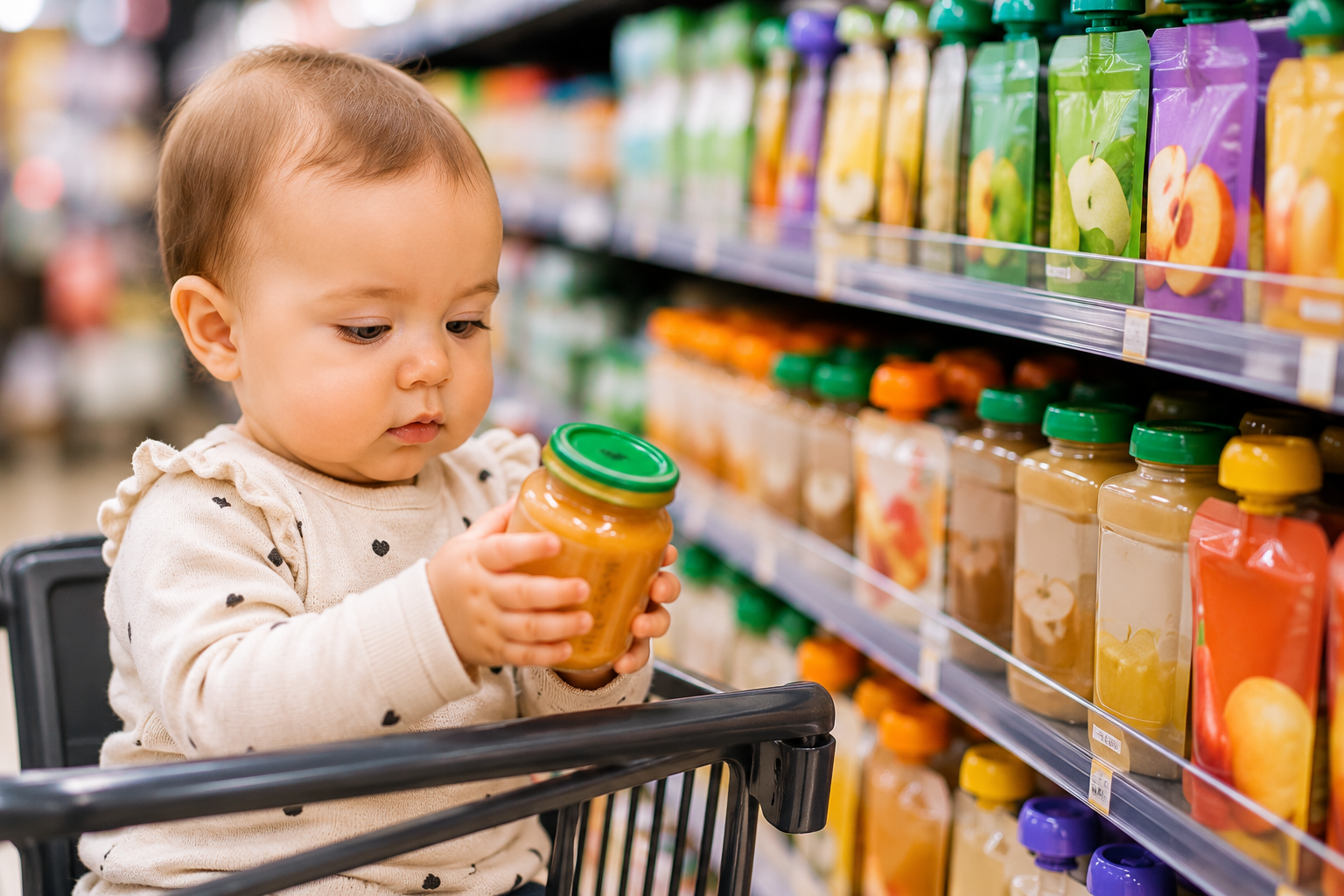
Baby food aisles are filled with colorful pouches, cereals, snacks, and jars that appear healthy and convenient for growing children. But recent research is raising concerns about how processed many of these products actually are. A new study published in the journal Nutrients found that 71% of commercial baby and toddler foods sold in major U.S. grocery stores qualify as ultra-processed foods (UPFs).
For parents trying to make healthy feeding choices, understanding what ultra-processed foods are — and how they may affect babies — is becoming increasingly important.
What Are Ultra-Processed Foods?
Ultra-processed foods are products that often contain:
- Artificial additives
- Flavor enhancers
- Preservatives
- Emulsifiers
- Thickeners
- Added sugars
- Highly refined ingredients
These foods are usually heavily manufactured and designed for convenience, long shelf life, and enhanced taste.
What the Study Found
Researchers analyzed 651 baby and toddler food products from major grocery chains and discovered several concerning patterns.
Key Findings Included:
- 71% of products were classified as ultra-processed
- Many products contained numerous additives
- Some items had up to 56 ingredients
- Snacks and cereals were among the most processed categories
- Ultra-processed products contained significantly more sugar and sodium
The study also found that added sugars appeared only in ultra-processed products.
Why This Matters for Babies
The first years of life are critical for:
- Brain development
- Growth
- Taste preference formation
- Long-term eating habits
Research suggests that early exposure to very sweet, salty, or highly processed foods may influence children to prefer these foods later in life.
Major health organizations, including the American Academy of Pediatrics, recommend avoiding added sugars for children under 2 years old.
Common Ingredients Found in Ultra-Processed Baby Foods
Some commonly used ingredients include:
- Fruit juice concentrates
- Artificial flavors
- Thickeners
- Emulsifiers
- Added sweeteners
- Processed starches
Even products labeled “organic” may still contain highly processed ingredients.
Baby Food Categories With the Most Additives
According to the study:
- 100% of dry cereals and starch products were ultra-processed
- 93% of snacks and finger foods contained additives
Popular puff snacks and packaged finger foods were among the highest in ingredient count.
Health Concerns Associated With Ultra-Processed Foods
While occasional convenience foods are unlikely to cause harm alone, diets high in ultra-processed foods may contribute to:
- Excess sugar intake
- High sodium exposure
- Reduced nutritional quality
- Preference for sweet foods
- Poor eating habits later in childhood
Researchers and pediatric experts also continue studying the long-term effects of food additives on children’s health.
How Parents Can Make Healthier Choices
Parents do not need to prepare every meal from scratch to make healthier feeding decisions. Small changes can make a big difference.
1. Read Ingredient Lists
Simpler ingredient lists are often better. Look for products with:
- Few recognizable ingredients
- No added sugar
- Minimal additives
2. Offer More Whole Foods
Easy baby-friendly whole foods include:
- Mashed banana
- Avocado
- Steamed sweet potato
- Soft fruits
- Cooked vegetables
These options provide natural nutrition without additives.
3. Be Careful With Snack Foods
Many baby snacks and puffs contain numerous processed ingredients. Offer fresh alternatives when possible.
4. Introduce Variety Early
Babies benefit from exposure to different flavors and textures, including vegetables and savory foods.
Repeated exposure helps babies gradually accept new foods.
5. Check Added Sugar Labels
Experts recommend avoiding added sugars for children under age 2 whenever possible.
Convenience vs. Perfection
Commercial baby food can still be part of a healthy diet, especially for busy families. The goal is not perfection — it’s awareness and balance.
Choosing minimally processed options more often and combining packaged foods with fresh whole foods can help support healthier eating habits.
Final Thoughts
The new research highlights the importance of understanding what’s inside packaged baby foods. While many products are marketed as healthy, a large percentage may contain ultra-processed ingredients, added sugars, and unnecessary additives.
At GGRC International, we believe informed nutrition choices play an important role in supporting healthy childhood development and lifelong wellness for families.


