


05 May, 2026
Are Collagen Peptides Safe During Pregnancy?
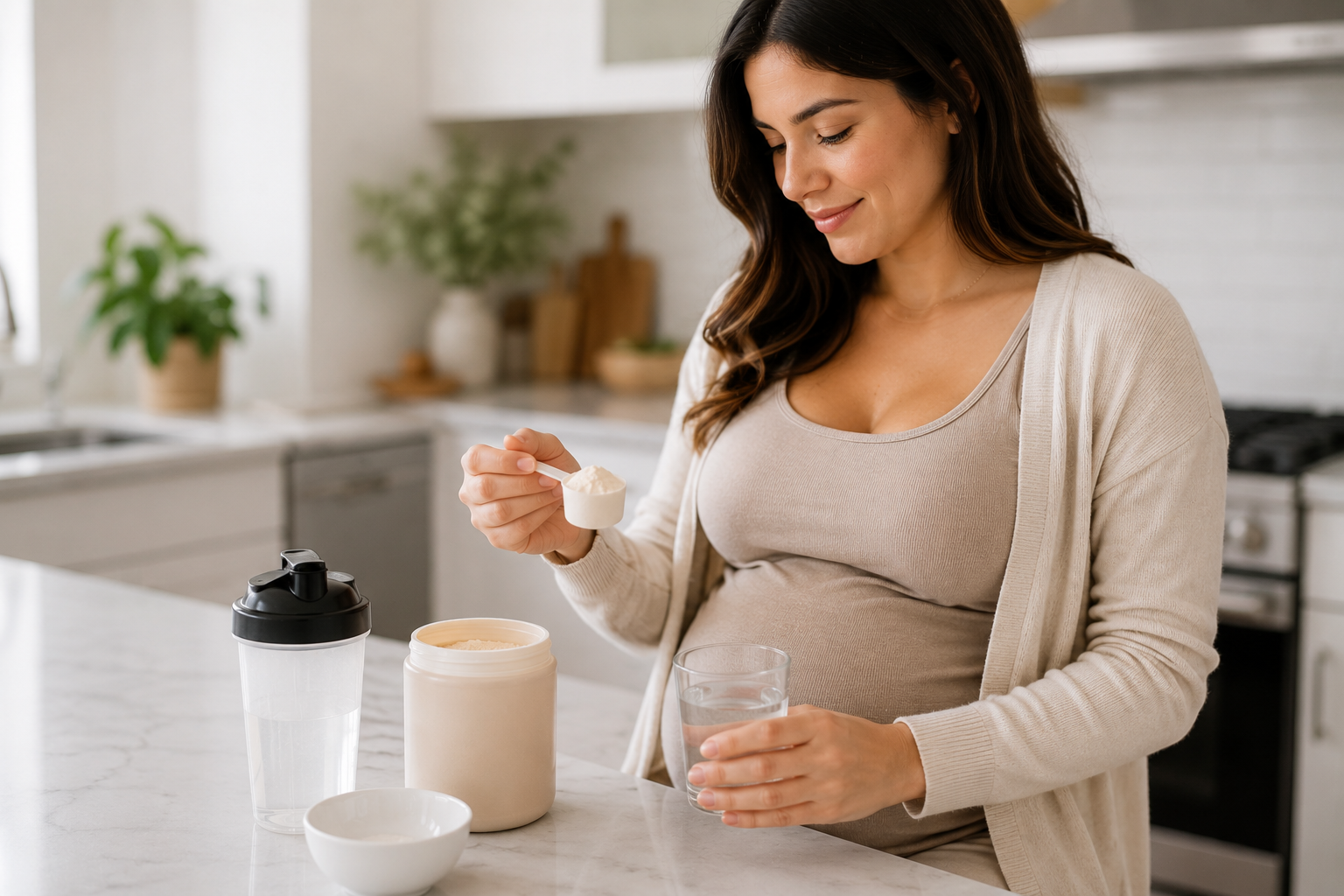
Are Collagen Peptides Safe During Pregnancy?
Collagen is one of the most important proteins in the human body. In fact, it makes up nearly one-third of the body’s total protein and plays a major role in supporting:
- Skin
- Bones
- Muscles
- Tendons
- Ligaments
- Blood vessels
- Connective tissues
Because collagen naturally declines with age, many people use collagen peptide supplements to support skin health, joints, and overall wellness. But during pregnancy, many parents wonder whether collagen peptides are actually safe to take.
What Are Collagen Peptides?
Collagen peptides are small pieces of collagen protein that are easier for the body to absorb. They are usually made from:
- Bovine (cow) collagen
- Marine (fish) collagen
- Porcine (pig) collagen
Collagen peptides are commonly sold as:
- Powders
- Pills
- Drink mixes
They can easily be added to smoothies, coffee, yogurt, or other foods.
Are Collagen Peptides Safe During Pregnancy?
Currently, there are no major safety warnings about collagen peptides during pregnancy. However, pregnancy-specific research remains limited.
Because dietary supplements are not fully regulated or FDA-approved for safety and effectiveness before being sold, it is important to:
- Choose reputable brands
- Use third-party tested products
- Discuss supplements with your OB/GYN before use
Potential Benefits of Collagen Peptides During Pregnancy
1. Protein Support
Pregnancy increases the body’s protein needs. Collagen peptides may help contribute additional protein to the diet.
However:
- Collagen should not replace balanced meals or whole food protein sources.
2. Skin Elasticity and Hydration
Some studies in non-pregnant adults suggest collagen supplements may help:
- Improve skin hydration
- Support elasticity
- Promote healthier-looking skin
Many pregnant women are interested in collagen for stretch mark support, though there is currently no strong evidence proving collagen prevents stretch marks.
3. Joint and Ligament Support
As the body changes during pregnancy, joints and ligaments experience increased strain.
Collagen may help support:
- Connective tissue comfort
- Joint support
- Mobility
Again, most studies have been conducted in non-pregnant adults.
4. Easy to Use During Morning Sickness
Collagen powders are often:
- Flavorless
- Easy to mix
- Gentle on the stomach
This can make them easier to tolerate during pregnancy food aversions or nausea.
Possible Risks and Considerations
Limited Pregnancy Research
One of the biggest concerns is simply the lack of direct research involving pregnant women.
Product Quality Variability
Supplements can vary significantly in:
- Purity
- Ingredient quality
- Label accuracy
This is why third-party testing is important.
Allergies
Avoid collagen if you have allergies to the protein source, such as:
- Fish
- Beef
- Pork
Additives and Sweeteners
Some collagen products contain:
- Artificial flavors
- Added sugars
- Sweeteners
- Extra herbal ingredients
Simple single-ingredient collagen products are usually preferred during pregnancy.
How to Choose a Safe Collagen Supplement During Pregnancy
Look For:
- Third-party testing
- Transparent ingredient lists
- Minimal additives
- Reputable brands
- Clear collagen source labeling
Avoid:
- Unverified online products
- Excessive ingredient blends
- Unknown herbal additives
When Should You Avoid Collagen Peptides?
You should avoid collagen supplements if:
- Your doctor advises against supplements
- You experience digestive discomfort
- You have allergies to collagen sources
- The product lacks quality testing information
Food Sources of Natural Collagen Support
Rather than relying only on supplements, many collagen-supporting nutrients can come from food.
Helpful nutrients include:
- Protein-rich foods
- Vitamin C
- Zinc
- Copper
Foods that support collagen production:
- Eggs
- Chicken
- Fish
- Citrus fruits
- Berries
- Bone broth
- Leafy greens
Final Thoughts
Collagen peptides may offer additional protein and potential skin or joint support during pregnancy, but research specifically in pregnant women remains limited. While current evidence does not suggest major safety concerns, choosing high-quality products and discussing supplements with your healthcare provider is always important.
At GGRC International, we believe informed nutrition and personalized prenatal care help support healthier pregnancy journeys for every family.


