


26 Apr, 2026
Everything You Need to Know About Baby Earwax
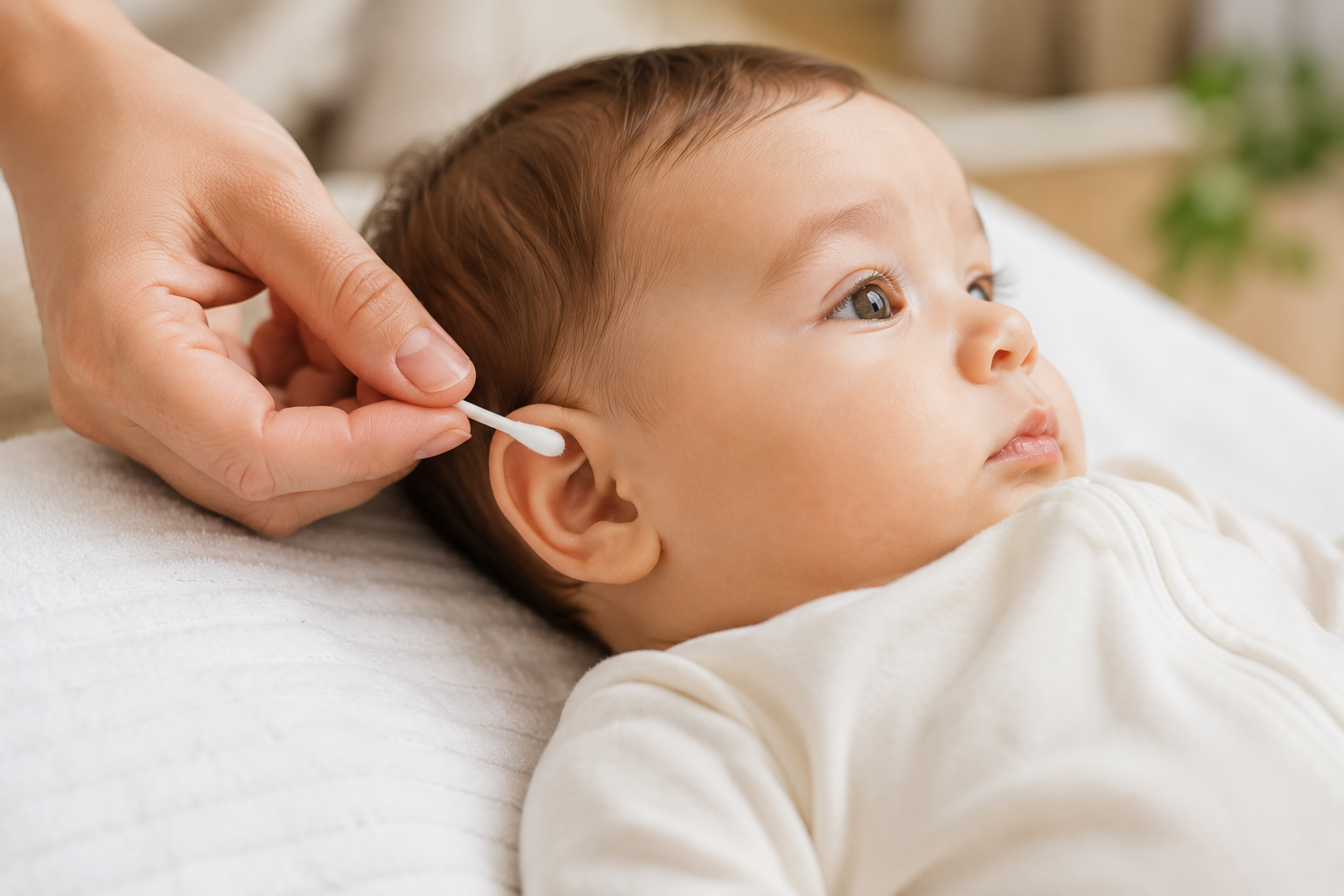
Everything You Need to Know About Baby Earwax
Parents quickly become familiar with many unexpected parts of baby care — including earwax. While it may not seem pleasant, earwax actually plays an important role in protecting your baby’s ears and keeping them healthy. In most cases, baby earwax is completely normal and does not require removal.
Understanding what earwax does, what healthy earwax looks like, and when it may signal a problem can help parents feel more confident about caring for their baby’s ears safely.
What Is Earwax?
Earwax, also called cerumen, is a natural substance made from:
- Skin cells
- Oil glands
- Sweat gland secretions inside the ear canal
Although it may look unpleasant, earwax serves several important protective functions.
What Does Earwax Do?
Earwax helps:
- Protect the delicate ear canal
- Prevent dryness and irritation
- Trap dust and debris
- Slow bacterial growth
- Support the ear’s natural cleaning process
The ears are designed to clean themselves naturally. Movements such as chewing, feeding, and talking gradually help move wax outward.
What Does Normal Baby Earwax Look Like?
Healthy baby earwax can vary greatly in:
- Color
- Texture
- Amount
Normal baby earwax may appear:
- Light yellow
- Amber
- Tan
- Dark brown
It may also be:
- Soft and sticky
- Dry and flaky
Some babies naturally produce more earwax than others, and seeing a small amount near the ear opening is usually normal.
What Causes Earwax Buildup?
Earwax buildup occurs when wax collects faster than it naturally exits the ear canal.
Common causes include:
Cotton Swab Use
Cotton swabs often push wax deeper into the ear rather than removing it.
Narrow Ear Canals
Some babies naturally have smaller or curved ear canals that trap wax more easily.
Skin Irritation
Conditions such as eczema or dry skin may contribute to excess wax buildup.
Ear Devices
Earplugs or hearing devices in older children can interfere with natural wax movement.
Signs Baby Earwax May Be a Problem
Most earwax is harmless, but impacted earwax may occasionally cause symptoms.
Contact your pediatrician if your baby has earwax along with:
- Hearing difficulties
- Ear pain
- Persistent fussiness
- Ear tugging
- Bad odor
- Fluid drainage
- Blood from the ear
- Fever or illness symptoms
Severe pain, bleeding, or injury inside the ear should receive immediate medical attention.
How to Safely Clean Baby Ears
In most cases, minimal cleaning is needed.
Safe cleaning tips:
- Wipe only the outer ear
- Use a soft damp washcloth
- Clean gently after baths
- Allow ears to self-clean naturally
What NOT to Do
Certain cleaning methods may cause injury or worsen wax buildup.
Avoid:
- Cotton swabs inside the ear canal
- Hairpins or tools
- Ear candles
- Digging inside the ear
- Pouring liquids into painful or draining ears
The American Academy of Pediatrics specifically warns against placing cotton swabs inside children’s ears.
When Does Earwax Need Medical Removal?
Doctors may safely remove earwax if:
- It blocks hearing
- It causes pain
- It prevents ear examination
- It becomes impacted
Pediatricians may use:
- Wax-softening drops
- Irrigation
- Specialized tools
Always seek professional guidance before attempting home treatments.
Final Thoughts
Baby earwax is usually healthy, normal, and beneficial. In most cases, the safest approach is to leave the ears alone and simply clean the visible outer area gently.
At GGRC International, we believe informed parenting and safe child healthcare practices help families feel more confident throughout every stage of early childhood development.


