


07 Feb, 2026
Pelvic Girdle Pain During Pregnancy: Causes, Symptoms, and Treatments
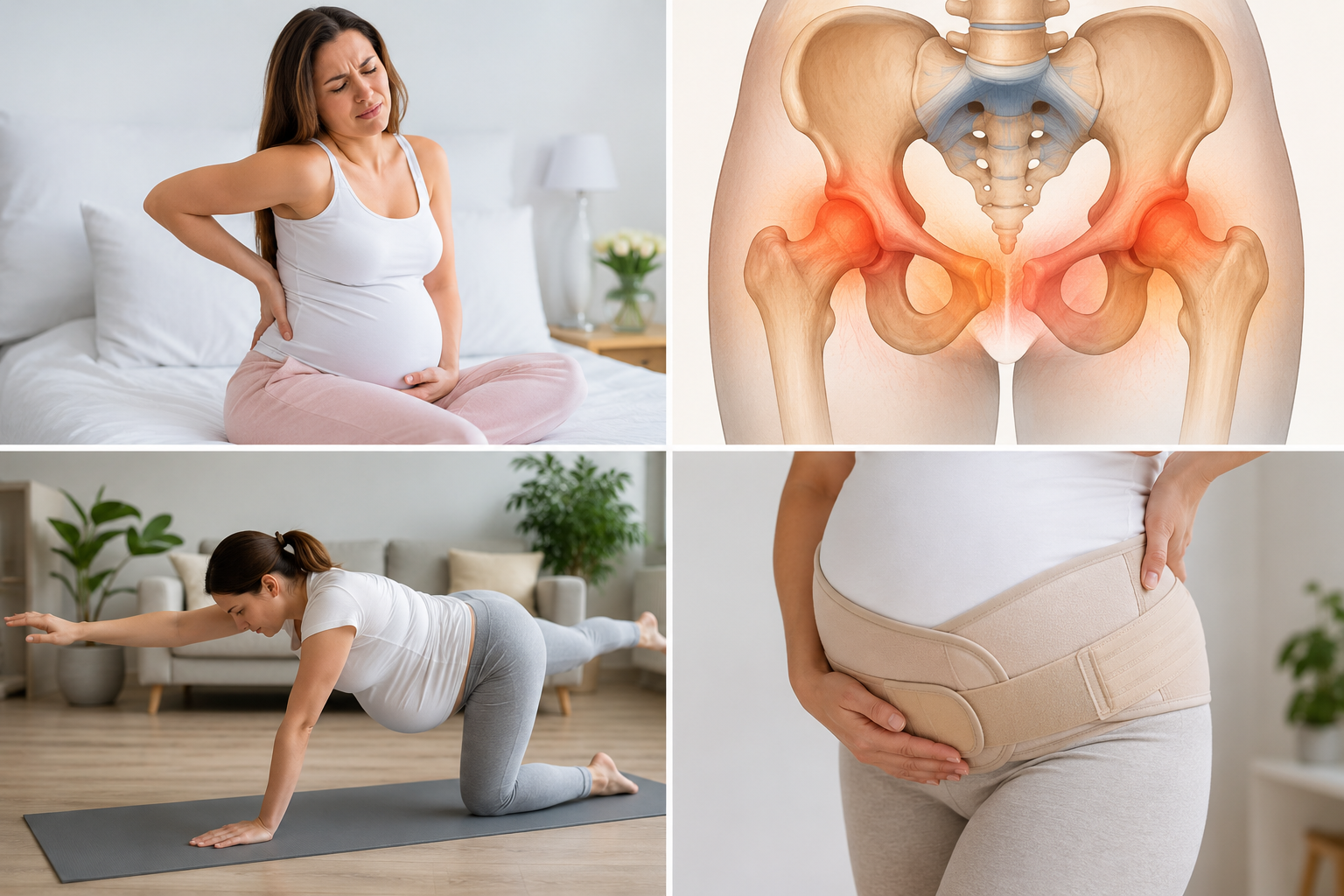
Pelvic Girdle Pain During Pregnancy: Causes, Symptoms, and Treatments
Pregnancy brings many physical changes, and for some women, one of the most uncomfortable can be pelvic girdle pain (PGP). This condition can cause pain in the pelvis, hips, groin, or lower back, making everyday activities such as walking, climbing stairs, or even turning in bed difficult. Although common during pregnancy, pelvic girdle pain is often overlooked or misunderstood. The good news is that with proper care and treatment, symptoms can usually be managed effectively.
What Is Pelvic Girdle Pain?
Pelvic girdle pain refers to discomfort or pain arising from the joints and ligaments of the pelvis. During pregnancy, the pelvic joints become more flexible to prepare the body for childbirth. However, this increased flexibility can sometimes lead to instability, inflammation, and pain.
PGP may affect:
- The front of the pelvis (pubic bone area)
- The lower back and sacroiliac joints
- The hips and groin
- One or both sides of the body
Some women may also hear the term Symphysis Pubis Dysfunction (SPD), which is a form of pelvic girdle pain focused mainly at the front of the pelvis.
Common Symptoms of Pelvic Girdle Pain
Symptoms can vary from mild discomfort to severe pain that interferes with daily life.
Common signs include:
- Pain in the pelvis, hips, groin, inner thighs, or lower back
- Difficulty walking or standing for long periods
- Pain when climbing stairs or getting in and out of a car
- Discomfort while rolling over in bed
- A clicking or grinding sensation in the pelvic area
- Pain that worsens with movement or weight-bearing activities
- A waddling style of walking in more severe cases
If pelvic pain becomes intense or is accompanied by swelling or difficulty moving, it is important to contact a healthcare professional promptly.
What Causes Pelvic Girdle Pain During Pregnancy?
Several factors may contribute to pelvic girdle pain during pregnancy:
Hormonal Changes
Pregnancy hormones, especially relaxin, loosen the ligaments around the pelvis to prepare the body for delivery. While necessary, this can reduce joint stability and increase strain on the pelvic area.
Changes in Body Weight and Posture
As the baby grows, the body’s center of gravity shifts forward. This places extra pressure on the pelvis, hips, and lower back.
Muscle Weakness or Instability
Weak pelvic floor muscles, abdominal muscles, or hip stabilizers may reduce support around the pelvis, increasing discomfort.
Additional Risk Factors
Women may be at greater risk if they:
- Had pelvic or lower back pain before pregnancy
- Experienced previous pelvic injuries
- Carry twins or multiple babies
- Have physically demanding daily activities
Effective Treatments for Pelvic Girdle Pain
The right treatment plan can significantly reduce discomfort and improve mobility during pregnancy.
Physical Therapy
Pelvic floor physiotherapy is one of the most effective treatments for PGP. A specialist can recommend exercises to strengthen the pelvic floor, abdominal muscles, and hips while improving stability and posture.
Pelvic Support Belts
Maternity belts or pelvic support belts may help stabilize the pelvis and reduce pressure during walking or standing.
Lifestyle and Activity Adjustments
Small changes in daily movements can help relieve symptoms:
- Sit down while dressing
- Keep legs together when getting out of bed or the car
- Avoid standing on one leg
- Use a pillow between the knees while sleeping
- Avoid carrying heavy bags on one side
Safe Pain Relief
Your healthcare provider may recommend pregnancy-safe pain relief options such as acetaminophen. Warm or cold compresses may also help reduce discomfort temporarily.
Water-Based Exercise
Swimming and gentle water exercises can reduce pressure on the joints while helping maintain movement and muscle strength.
When Should You See a Doctor?
Many women assume pelvic pain is simply part of pregnancy, but persistent or severe pain should not be ignored. Early treatment can help prevent worsening symptoms and improve overall comfort throughout pregnancy.
Speak with your healthcare provider if:
- Pain interferes with daily activities
- Walking becomes difficult
- Symptoms suddenly worsen
- Pain spreads down the legs
- You experience swelling or severe pressure in the pelvic area
Final Thoughts
Pelvic girdle pain during pregnancy is common, but it is manageable with the right support and treatment. Understanding the causes, recognizing symptoms early, and seeking professional care can make pregnancy more comfortable and improve daily quality of life.
At GGRC International, we believe every pregnancy journey should be supported with expert care, compassion, and accurate medical guidance. If you are experiencing discomfort during pregnancy, consult a qualified healthcare professional to receive personalized support and treatment options.


