


08 Mar, 2026
Pregnancy Diet for Mental Health: Best Mood-Boosting Foods During Pregnancy
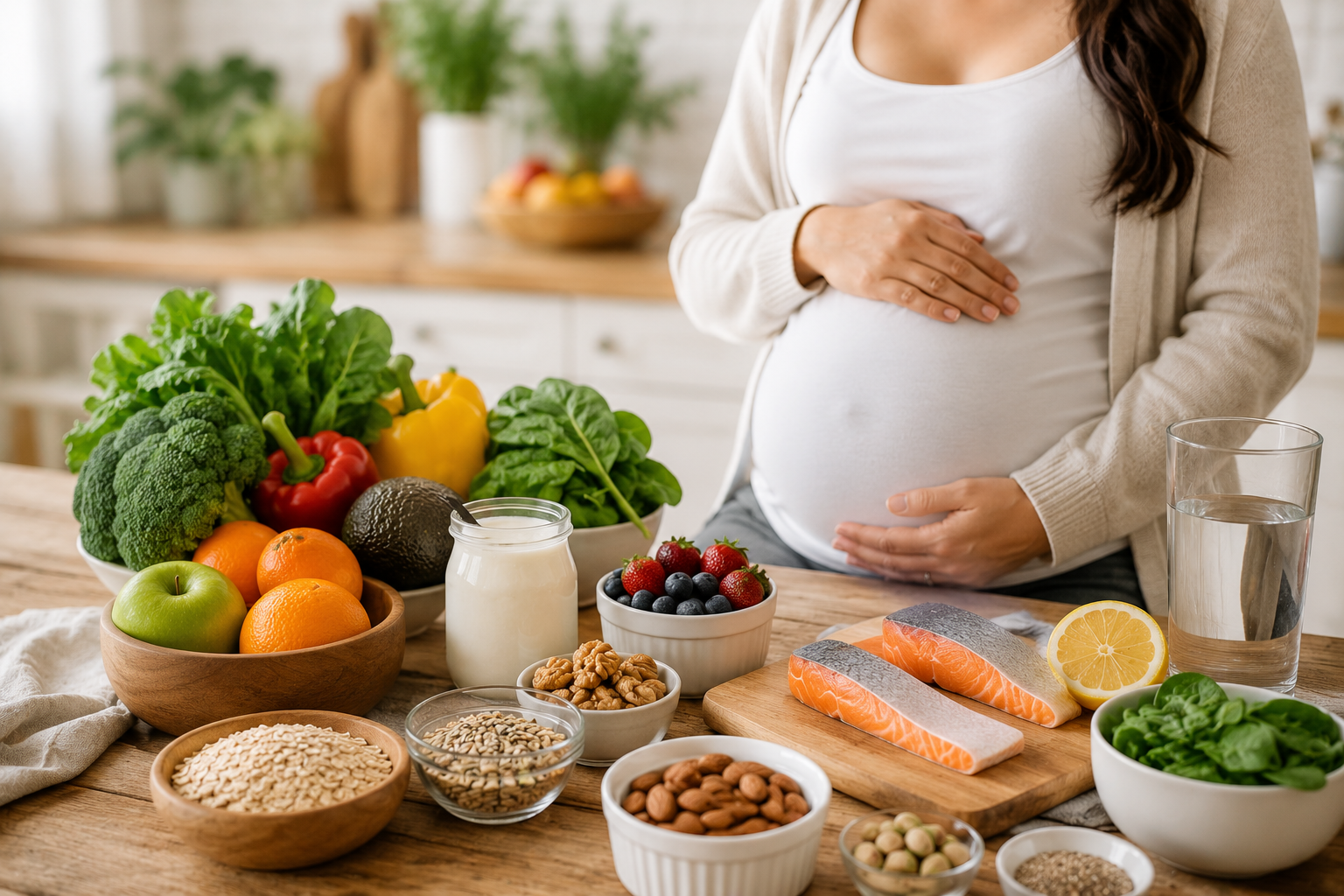
Pregnancy Diet: How to Eat for a Healthy Mood
Pregnancy brings enormous physical and emotional changes. While no single food can completely prevent anxiety, stress, or depression during pregnancy, research shows that nutrition plays an important role in supporting emotional well-being and brain health. A balanced pregnancy diet filled with whole foods, healthy fats, fiber, and essential nutrients may help stabilize mood, reduce inflammation, and support healthy brain function for both mother and baby.
The connection between nutrition and mental health is becoming increasingly clear. What you eat during pregnancy can influence hormones, neurotransmitters, blood sugar levels, gut health, and overall emotional balance.
How Diet Affects Mood During Pregnancy
Food Supports Brain Chemistry
Certain nutrients help the body produce neurotransmitters such as serotonin and dopamine, which influence mood, relaxation, and emotional stability.
For example:
- Tryptophan helps support serotonin production
- Omega-3 fatty acids support brain health
- Magnesium may help regulate stress responses
- B vitamins support nervous system function
Stable Blood Sugar Helps Reduce Mood Swings
Highly processed foods and excess sugar can cause rapid blood sugar spikes and crashes, which may increase irritability and fatigue. Whole grains and fiber-rich foods help maintain steady energy and emotional balance.
Gut Health Impacts Emotional Wellness
The gut is often called the “second brain” because it plays a major role in producing serotonin. A healthy gut microbiome supported by fiber-rich foods, probiotics, and plant-based nutrition may positively influence mood and emotional health.
Best Foods to Boost Mood During Pregnancy
1. Fatty Fish Rich in Omega-3s
Omega-3 fatty acids are essential for both fetal brain development and maternal mental health.
Healthy low-mercury fish options:
- Salmon
- Sardines
- Trout
- Atlantic mackerel
- Herring
These healthy fats may help reduce inflammation and support emotional wellness during and after pregnancy.
2. Whole Grains
Whole grains provide complex carbohydrates that help stabilize blood sugar and support serotonin production.
Great pregnancy-friendly choices:
- Oats
- Brown rice
- Quinoa
- Whole wheat bread
- Whole grain pasta
Whole grains can also help reduce energy crashes and irritability.
3. Fiber-Rich Fruits and Vegetables
Fiber supports digestive health, stabilizes blood sugar, and nourishes healthy gut bacteria connected to mood regulation.
Excellent fiber-rich foods:
- Berries
- Apples
- Pears
- Broccoli
- Sweet potatoes
- Leafy greens
Pregnant women are encouraged to aim for approximately 20–35 grams of fiber daily.
4. Nuts and Seeds
Nuts and seeds contain magnesium, omega-3s, folate, and B vitamins that support brain and emotional health.
Mood-supporting options include:
- Walnuts
- Almonds
- Pumpkin seeds
- Chia seeds
- Flaxseeds
- Sunflower seeds
These foods may help support stress management and emotional balance.
5. Leafy Green Vegetables
Dark leafy greens are packed with antioxidants, folate, and vitamins that support healthy brain function.
Best greens during pregnancy:
- Spinach
- Kale
- Arugula
- Swiss chard
These vegetables may help reduce inflammation and support emotional wellness.
6. Beans and Legumes
Beans and lentils provide plant-based protein, iron, fiber, and folate — all important nutrients for mood and energy during pregnancy.
Healthy options:
- Lentils
- Chickpeas
- Black beans
- Kidney beans
Iron deficiency during pregnancy can contribute to fatigue, irritability, and low mood, making iron-rich foods especially important.
7. Hydration and Water Intake
Even mild dehydration can affect mood, concentration, and energy levels. Proper hydration supports circulation, brain function, digestion, and overall pregnancy wellness.
Tips to stay hydrated:
- Drink water throughout the day
- Eat hydrating foods like watermelon and cucumbers
- Limit sugary beverages
- Carry a reusable water bottle
Pregnant women are generally encouraged to drink 8–12 cups of water daily.
Challenges of Eating Well During Pregnancy
Healthy eating during pregnancy is not always easy. Many women experience:
- Morning sickness
- Food aversions
- Cravings
- Fatigue
- Digestive issues
- Emotional stress
The goal is not perfection. Instead, focus on balance, variety, and gradual healthy habits whenever possible.
Additional Tips for Emotional Wellness During Pregnancy
In addition to nutrition, these habits may help support mental health:
- Regular movement and exercise
- Quality sleep
- Prenatal care
- Emotional support systems
- Therapy or counseling when needed
- Stress management techniques
If feelings of sadness, anxiety, hopelessness, or emotional overwhelm become persistent, it’s important to seek support from a healthcare professional.
Final Thoughts
A healthy pregnancy diet can do more than support physical health — it may also help improve emotional well-being, energy levels, and mood stability. Whole foods rich in omega-3s, fiber, antioxidants, vitamins, and minerals help nourish both mother and baby throughout pregnancy.
At GGRC International, we believe pregnancy care should support both physical and emotional wellness. Every parent deserves compassionate guidance, expert care, and support throughout their fertility and pregnancy journey.


